Legal Update: Landeros Morales and the Limits of THC Testing
October 8, 2026
A recent Iowa decision examines whether a urine THC test can establish intoxication for purposes of the workers’ compensation intoxication defense.
By: Thania Rios
On 9/25/2026, Interim Commissioner Grell issued an appeal decision in Landeros Morales v. Dean Snyder Construction Co. that highlights the evidentiary challenges employers may face when relying on an intoxication defense in cases involving marijuana use.
In Landeros Morales, the claimant fell from a walkway affixed to the roof at a construction site and plummeted 32 feet down onto the mezzanine level of the building. Landeros Morales, File No. 22004975.01 (App. 9/25/2026) at 2. After his accident, he was brought to an emergency room, where he was diagnosed with bilateral mandibular, orbital, and skull base fractures; a subarachnoid hemorrhage; pupil asymmetry with a tear of his open iris; open fractures of his left tibia and fibula; right internal carotid artery dissection; a partially collapsed lung; and a possible lumbar hernia. Id. Claimant also took a drug test at the emergency room and tested positive for delta-9-carboxy-THC, a metabolite of THC. Id. at 3. Based on this, the defendant-employer invoked the intoxication defense and denied the claimant benefits. Id. at 1.
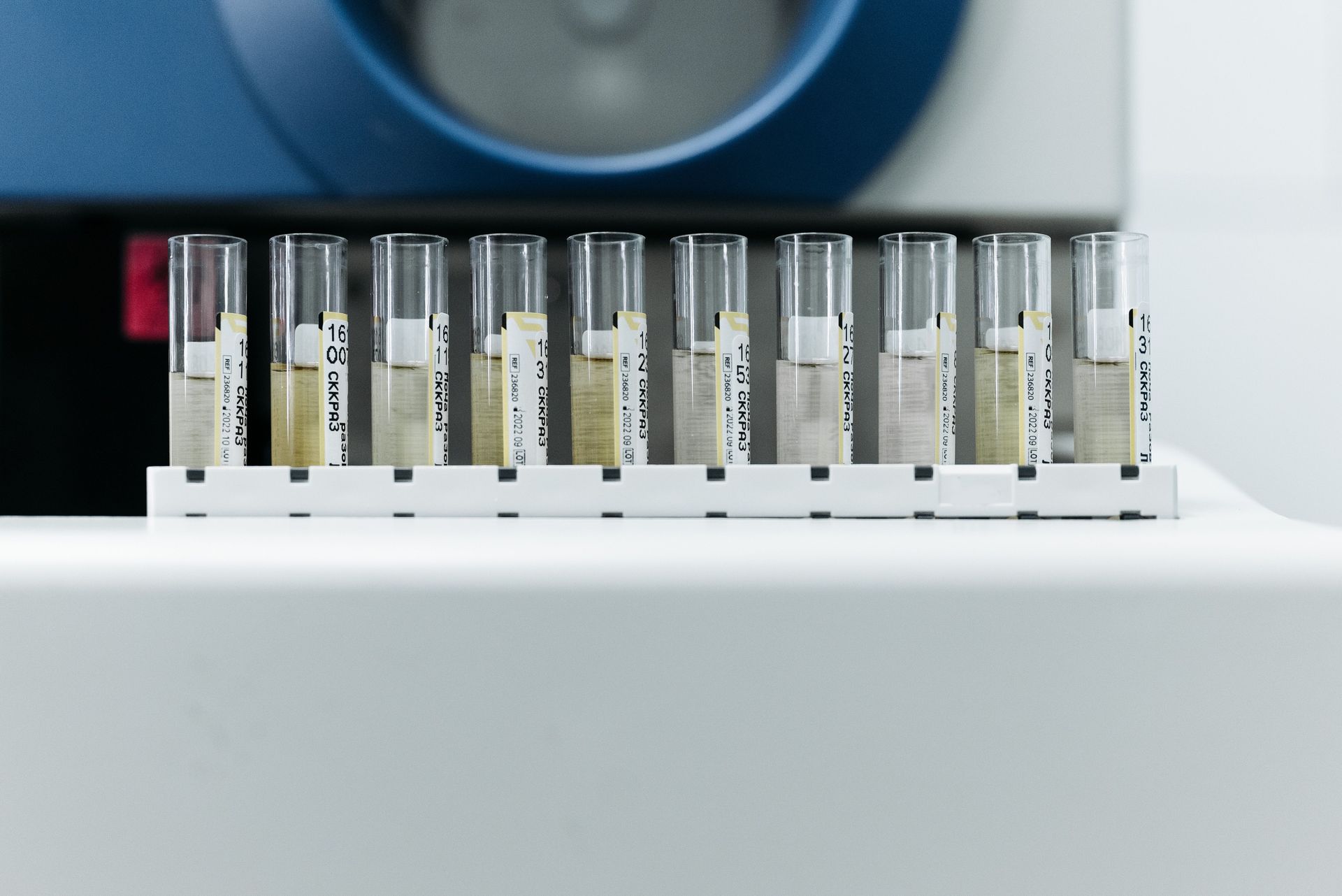
The defendant prevailed at arbitration, with the Agency finding that the positive drug test created a rebuttable presumption under Iowa Code section 85.16(b)(2) that claimant was intoxicated—a presumption that the claimant failed to successfully rebut. Landeros Morales v. Dean Snyder Construction Co., File No. 22004975.01 (Arb. 12/09/2025) at 17. On appeal, however, Interim Commissioner Grell found that the positive drug test at the ER failed to satisfy the requirements of 85.16(b)(2). The drug test that Claimant took on the date of his accident was a urine test—and, as Claimant’s expert noted, “since THC metabolites remain in the body and can be found in urine samples for many days and weeks, there is no urine test results for cannabis that can determine impairment or a time when cannabis was used.” Id. at 5. Interim Commissioner Grell agreed with this statement, in addition to the assertion that “the scientific community does not believe that an unconfirmed urine screen proves impairment.” Id. at 8. Based on this, he reversed the original decision and awarded the claimant 195 weeks of PPD benefits, 15 weeks of healing period benefits, and medical benefits. Id. at 14.
Both the outcome in Landeros Morales and the District Court ruling in Happel v. LA Leasing speak to an altered landscape for any employer wishing to invoke the intoxication defense based on a positive THC screening. If the drug test was a urine test, it may not satisfy the requirements of 85.16(b)(2) and may be insufficient to support an intoxication defense. Before moving forward with a denial of benefits, defendant-employers should keep the decisions in Landeros Morales and Happel in mind and bolster their chances of success through other means. Blood tests and saliva tests, unlike urine tests, can detect active THC. Additionally, employers should be prepared to offer evidence of intoxication beyond drug tests, such as video footage and witness testimony connecting a positive test result to actual impairment at the time of the injury.
LINKS:
December 9, 2025: Arbitration Decision
September 25, 2026: Appeal Decision
New Paragraph